
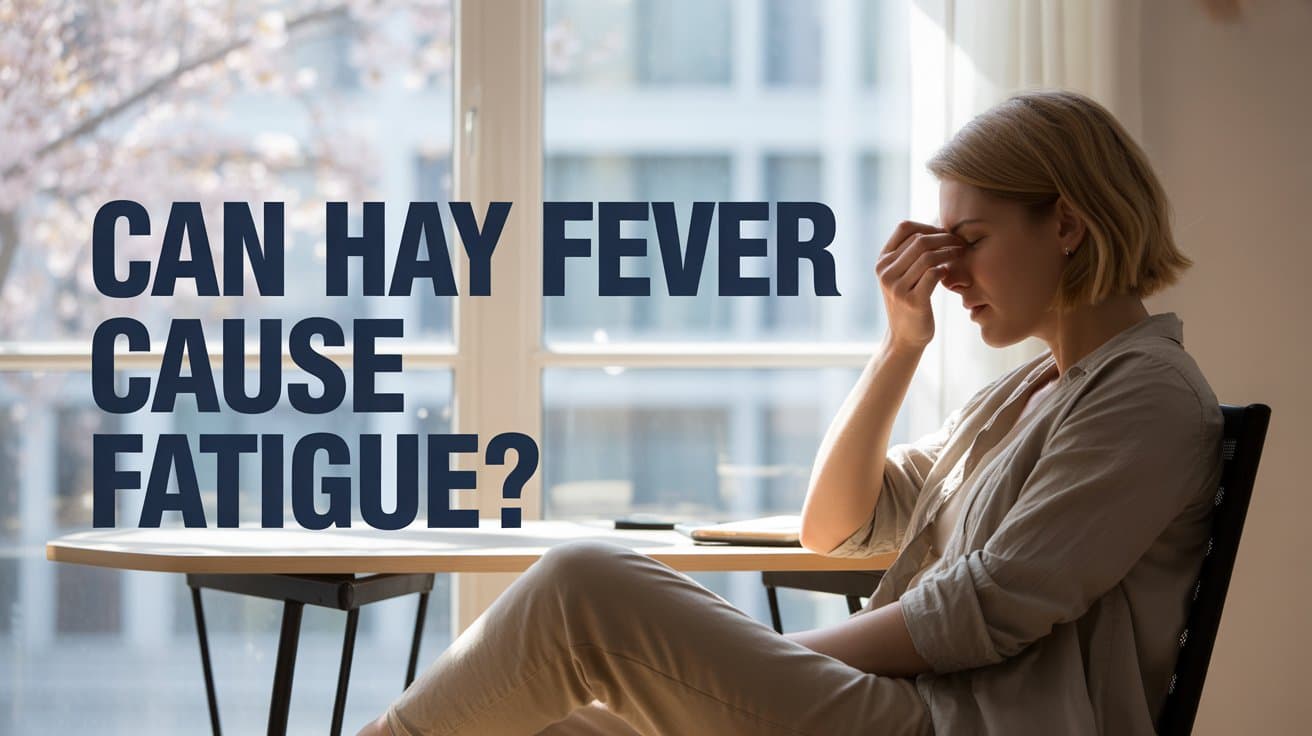
Most people associate hayfever with sneezing, itchy eyes, and a runny nose. Fatigue rarely makes it onto that list — yet it is one of the most consistently reported and clinically significant symptoms of the condition. If you find yourself dragging through spring and summer in a way that does not feel explained by your sleep or workload, your allergy may be doing considerably more than irritating your nose.
The short answer is yes: hayfever can and does cause fatigue, and the mechanisms behind it are well understood. This is not a vague or subjective complaint. It is a physiological consequence of what your immune system is doing during the pollen season.
The Immune System Is an Energy-Intensive Process
When pollen enters the airways of someone with allergic rhinitis, the immune system mounts a response. Mast cells degranulate, histamine is released, cytokines are produced, and a cascade of inflammatory activity is set in motion. This process is not passive — it consumes energy.Think of it in the same terms as fighting a mild infection. When you have a cold, one of the most reliable symptoms is fatigue, even if the infection itself is minor. The body is diverting resources to the immune response, and that diversion is felt as tiredness. Hayfever triggers a similar immunological effort, sustained not for a few days but for weeks or months across the entire pollen season. The cumulative energy cost is significant.
Research supports this directly. Studies assessing quality of life in people with allergic rhinitis consistently show measurable reductions in vitality, concentration, and cognitive performance during peak pollen periods — effects that are independent of sleep quality and not explained by the nasal symptoms alone.
Disrupted Sleep Compounds the Problem
Hayfever and poor sleep are closely linked, and sleep disruption is one of the most significant contributors to hayfever-related fatigue. Nasal congestion at night forces mouth breathing, reduces sleep quality, and increases the likelihood of waking. Histamine itself influences the brain’s sleep-wake regulation, and elevated levels during an active allergic response can make it harder to achieve deep, restorative sleep even when hours in bed are not reduced.The result is that many hayfever sufferers enter each day already depleted — not because they went to bed late, but because the quality of their sleep has been quietly undermined by pollen they have been inhaling all evening and throughout the night.
Is It Hayfever Fatigue or Something Else?
The seasonal pattern of hayfever fatigue is its most reliable distinguishing feature. If your tiredness begins reliably each spring or summer, correlates with high pollen counts, and improves when the season ends or when your other hayfever symptoms are better controlled, the allergy is almost certainly the primary driver.Where the picture is less clear — fatigue that persists beyond the pollen season, feels disproportionate to your other symptoms, or is accompanied by unexplained weight change, low mood, or persistent breathlessness — it is worth investigating further. Conditions including thyroid dysfunction, anaemia, and vitamin deficiencies produce fatigue that can overlap with and compound hayfever symptoms, and a private blood test can identify these quickly and clearly.
Does Antihistamine Treatment Help With Fatigue?
Yes — when hayfever is well controlled, the fatigue associated with it typically improves. This is counterintuitive to people who assume antihistamines must be causing their tiredness, but the evidence points in a different direction. Older, first-generation antihistamines (chlorphenamine) are sedating and can genuinely worsen daytime fatigue. Modern second-generation antihistamines (cetirizine, loratadine, fexofenadine) are non-sedating in most people.The key insight is that well-managed hayfever — where both the immune response and sleep disruption are adequately controlled — produces less fatigue overall than unmanaged or poorly managed hayfever, even accounting for the effects of treatment. Chasing symptoms reactively with daily tablets is less effective than consistent preventive use throughout the season.
Practical Steps to Reduce Hayfever Fatigue
- Take antihistamines daily and preventively. Rather than waiting for symptoms, taking a non-sedating antihistamine each morning — or the evening before a high pollen day — blunts the immune response before it builds energy-consuming momentum.
- Use a nasal corticosteroid spray consistently. A nasal steroid spray used throughout the season reduces the inflammatory burden significantly and helps maintain sleep quality by keeping congestion under control at night.
- Protect your sleep environment. Showering before bed, keeping bedroom windows closed from late afternoon, and washing bedding regularly all reduce the overnight pollen load that drives night-time congestion and fragmented sleep.
- Address fatigue that persists after the season ends. If tiredness continues beyond your usual pollen season, do not attribute it to hayfever. It warrants investigation in its own right.
When Treatment Needs Reviewing
If hayfever fatigue is affecting your ability to function through the working day or leaving you exhausted despite adequate sleep, it is worth a GP consultation rather than continuing to manage it with over-the-counter options alone. At The Private GP in Birmingham, our doctors can review your current approach and discuss whether a hayfever and allergy injection — which provides consistent anti-inflammatory cover without the variability of daily tablet dosing — is the right next step.Frequently Asked Questions
- Is fatigue a recognised symptom of hayfever?
- Why does hayfever make me so tired even when I sleep enough hours?
- Are my hayfever tablets making me more tired?
- How do I know if my fatigue is from hayfever or an underlying condition?
- Can a hayfever injection help with fatigue?
Get Through This Pollen Season With More Energy
Hayfever fatigue is real, measurable, and treatable. If it is affecting your concentration, productivity, or sleep season after season, speak to a GP at The Private GP in Birmingham about your options — including the hayfever injection — with same-day appointments and no long waits.Ready to Book?
Speak to a private GP
Same-day appointments are often available — book online now or call our team for help finding a time that works for you.