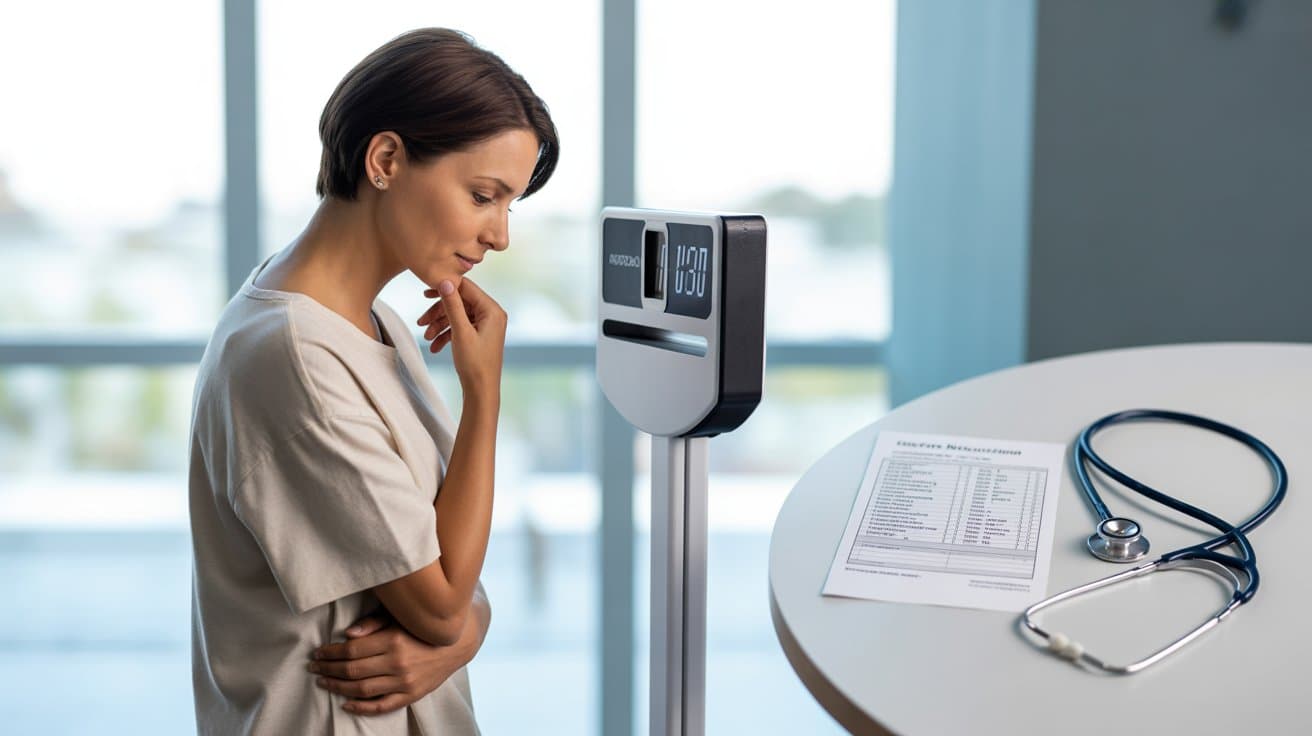

Persistent tiredness is one of the most common complaints that brings people to a GP. It is also one of the most difficult to attribute to a single cause, because so many conditions — thyroid disorders, anaemia, diabetes, sleep problems, depression, and many others — can produce the same draining fatigue. One question that comes up more than you might expect is this: can high cholesterol make you tired? The honest, clinically accurate answer is: not directly, in most people — but there are important indirect mechanisms through which high cholesterol can contribute to fatigue, and there is one context in which the connection is both well-established and commonly overlooked. This guide explains the evidence clearly, so you know what is and what is not a cause for concern.
What High Cholesterol Actually Does in the Body
To understand the fatigue question, it helps to understand what high cholesterol is actually doing. Cholesterol is a waxy, fatty substance carried in the bloodstream by lipoproteins — primarily low-density lipoprotein (LDL) and high-density lipoprotein (HDL). LDL carries cholesterol from the liver to tissues throughout the body; HDL carries excess cholesterol back to the liver for processing. When LDL levels are persistently elevated, cholesterol can begin to accumulate in the walls of arteries, triggering an inflammatory response and initiating the process of atherosclerosis — the gradual build-up of fatty plaques that narrows and stiffens blood vessels over time.The critical thing to understand is that this process is almost entirely silent in its early and middle stages. High cholesterol itself produces no symptoms — no pain, no obvious physical sign, no sensation that anything is wrong. The NHS is explicit on this point: high cholesterol does not cause symptoms, and most people only discover they have it through a blood test. The Framingham Heart Study — one of the longest-running cardiovascular research programmes in the world — demonstrated that elevated LDL cholesterol is a major causal risk factor for cardiovascular disease, but the cholesterol elevation itself does not directly produce the symptoms that eventually result from the cardiovascular consequences it creates.
The Indirect Link Between High Cholesterol and Fatigue
So if high cholesterol is itself asymptomatic, why do so many people report feeling tired and ask whether their cholesterol could be responsible? The answer lies in the downstream effects of what chronically elevated cholesterol causes over time — and in one very specific medication-related context that is worth understanding carefully.Reduced Blood Flow and Cardiovascular Consequences
As atherosclerosis progresses — driven in significant part by elevated LDL cholesterol — arterial narrowing reduces the efficiency with which blood, oxygen, and nutrients are delivered to tissues and organs throughout the body. The American Heart Association notes that as plaque builds up, the channel within the artery narrows, reducing blood flow — lessening the amount of oxygen and other nutrients reaching the body. When the heart muscle itself receives a reduced blood supply, this can manifest as fatigue, breathlessness, and reduced exercise tolerance — symptoms of coronary artery disease or angina, which are consequences of longstanding hypercholesterolaemia rather than of the cholesterol elevation itself. Research published in Lipids in Health and Disease demonstrates that hyperlipidaemia can affect cardiac function through mechanisms beyond atherosclerosis — including oxidative stress, systemic inflammation, and mitochondrial dysfunction within heart muscle cells — even before significant artery narrowing is apparent.In other words: high cholesterol does not make you tired today. But if it has been elevated for years without treatment and has contributed to developing cardiovascular disease, the resulting reduction in cardiac output and tissue oxygen delivery can certainly cause fatigue. This is an important distinction — it means that fatigue is a potential consequence of the long-term cardiovascular damage that untreated high cholesterol can cause, not a direct symptom of the cholesterol level itself.
Systemic Inflammation
Chronically elevated LDL cholesterol promotes a state of low-grade vascular inflammation as the immune system responds to cholesterol deposits in arterial walls. Research from Frontiers in Cardiovascular Medicine describes how LDL accumulation in the artery wall triggers macrophage recruitment, foam cell formation, and the release of pro-inflammatory cytokines — a sustained inflammatory state that is increasingly recognised as contributing to systemic symptoms including fatigue, brain fog, and reduced physical capacity. While the evidence linking cholesterol-driven inflammation specifically to fatigue is not as direct as the cardiovascular mechanism, the broader relationship between chronic inflammation and fatigue is well-established in the medical literature.Associated Metabolic Conditions
High cholesterol rarely exists in isolation. It frequently co-occurs with conditions that independently cause fatigue: type 2 diabetes or insulin resistance (which reduces cellular energy production), hypothyroidism (which slows metabolic rate profoundly), obesity, obstructive sleep apnoea, and hypertension. When a patient presents with both elevated cholesterol and persistent tiredness, it is essential that a clinician explores these associated conditions — because treating the cholesterol without investigating the fatigue's actual cause leaves the patient no better for the tiredness, even if their lipid profile improves.The Most Important Fatigue Connection: Statins
There is one context in which the link between cholesterol and fatigue is direct, clinically well-evidenced, and commonly missed: statin-associated fatigue and myopathy.Statins — the first-line cholesterol-lowering medication recommended by NICE for most patients with elevated cardiovascular risk — can cause fatigue as a side effect in a proportion of patients. The mechanism is not fully elucidated, but research points to statin inhibition of coenzyme Q10 (CoQ10) production, a critical component of mitochondrial energy metabolism. Statins inhibit HMG-CoA reductase, the enzyme responsible for cholesterol synthesis — but this same pathway is required for CoQ10 synthesis. Reduced CoQ10 availability impairs mitochondrial function, which is the primary mechanism of energy production in cells, and this can manifest as fatigue, muscle weakness, and exercise intolerance.
Statin-associated myopathy — muscle pain, weakness, and fatiguability — affects a clinically significant minority of patients on statins and is one of the most common reasons for statin discontinuation. Importantly, it is not always obvious to the patient that their fatigue began or worsened after starting statin therapy, particularly if the change was gradual. If you have been prescribed a statin and are experiencing unexplained fatigue or muscle symptoms, this connection is worth discussing explicitly with your GP — a dose reduction, a switch to a different statin, or a statin holiday with monitoring may resolve the symptoms entirely.
This is a crucial point: if you have high cholesterol and are tired, and you are on a statin, the medication is a more likely explanation for the fatigue than the cholesterol level itself. Do not stop your statin without speaking to your doctor — but do raise the symptom, because it is both common and manageable.
When to Get Your Cholesterol Checked
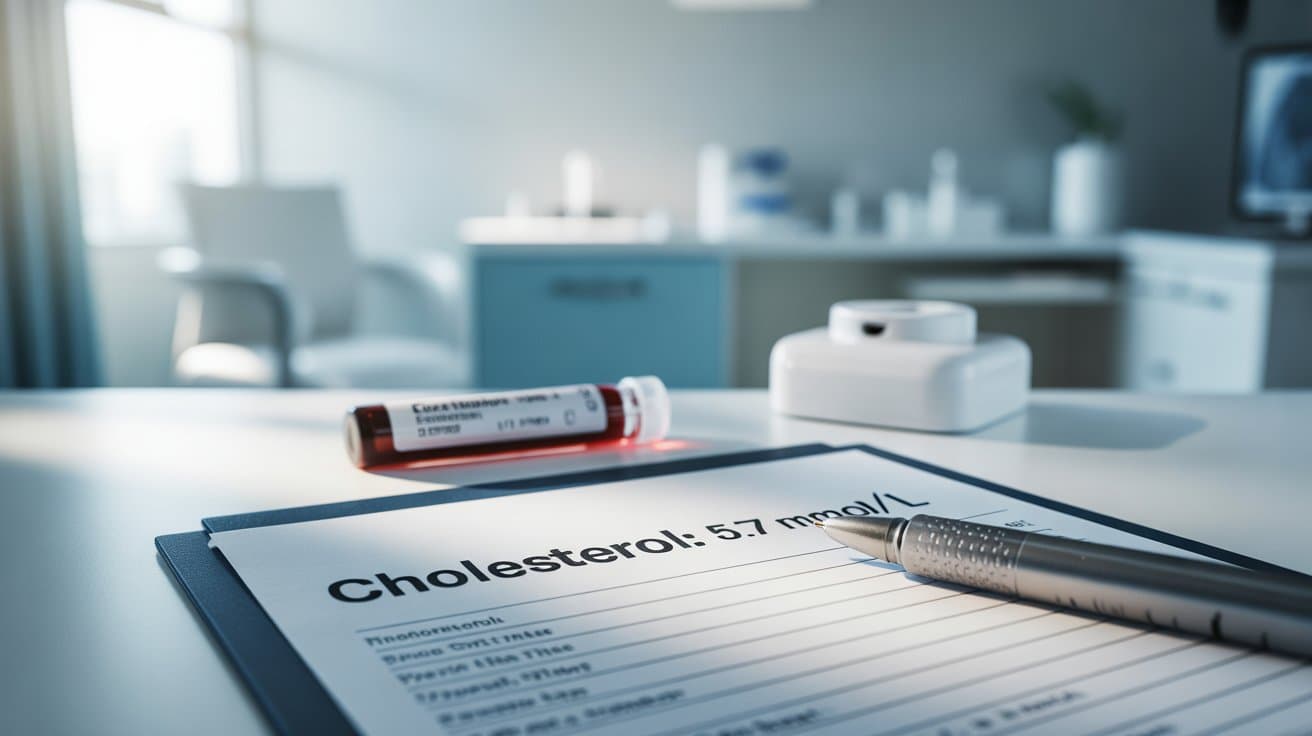
Because high cholesterol itself causes no symptoms, the only reliable way to know your cholesterol level is through a blood test. NICE recommends that cholesterol testing should be considered in all adults aged 40 and over as part of a cardiovascular risk assessment, and earlier in those with a family history of high cholesterol or premature cardiovascular disease, obesity, or other risk factors. The NHS Health Check — offered free to eligible adults aged 40 to 74 — includes a cholesterol test as standard.If you are experiencing persistent unexplained fatigue and have not had your cholesterol checked recently, a cholesterol blood test is a straightforward part of the investigation — alongside thyroid function, full blood count, HbA1c, and other metabolic markers that can explain tiredness. The investigation of persistent fatigue should be comprehensive rather than focused on a single possible cause.
A patient seen at The Private GP in Birmingham — a man in his early fifties who presented with fatigue he had attributed to work stress and poor sleep — had been on atorvastatin for three years following a high cholesterol result at an NHS Health Check. He had not connected his gradually worsening fatigue to the statin. A private blood test including a full metabolic and thyroid panel was entirely normal. A careful medication review identified that his fatigue had begun approximately four months after starting atorvastatin. With the agreement of Dr Ul-Haq, he switched to a lower-dose rosuvastatin — a statin with a different side effect profile. His fatigue resolved substantially within six weeks, and his cholesterol remained well-controlled on the alternative medication. The cause of his tiredness was not his cholesterol — it was the medication treating it.
What to Do If You Are Tired and Concerned About Your Cholesterol
If you are experiencing persistent fatigue and are wondering whether your cholesterol could be involved, the most productive step is a comprehensive GP-led assessment rather than focusing on a single potential cause. A thorough clinical evaluation should include:- A cholesterol blood test — a full fasting lipid profile including total cholesterol, LDL, HDL, and triglycerides
- Thyroid function (TSH and free T4) — hypothyroidism is a very common and frequently missed cause of fatigue that often co-occurs with dyslipidaemia
- Full blood count — to exclude anaemia, which is one of the most common reversible causes of fatigue
- HbA1c and fasting glucose — to assess for diabetes or prediabetes, which are closely associated with elevated triglycerides and low HDL
- Kidney and liver function — both can affect energy levels and are relevant in the context of cholesterol management
- A review of any medications you are taking — particularly statins, blood pressure medications, and other drugs with fatigue as a known side effect
Frequently Asked Questions
- Can high cholesterol make you tired?
- Can statins cause tiredness?
- What are the symptoms of high cholesterol?
- What else could be causing my fatigue?
- How do I get my cholesterol checked in Birmingham?
Ready to Book?
Speak to a private GP
Same-day appointments are often available — book online now or call our team for help finding a time that works for you.